2024's best action-adventure games, from Black Myth: Wukong's mythic combat to Zelda's clever puzzles, proved the genre's artistic depth and thrilling diversity.
As I sit here in 2026, the echoes of those journeys still hum within me, like the final, resonant note of a grand symphony long after the orchestra has departed. The year 2024 was a crucible for the action-adventure genre, a year where the whimsical and the profound danced a delicate, breathtaking waltz. It was a year that proved a game could be a vibrant, family-friendly playground and a dark, introspective odyssey with equal artistic merit. For me, these weren't just games; they were worlds I inhabited, each a unique tapestry woven from challenge, wonder, and surprise, proving that 'action' need not be shallow and 'adventure' need not be a tedious slog.
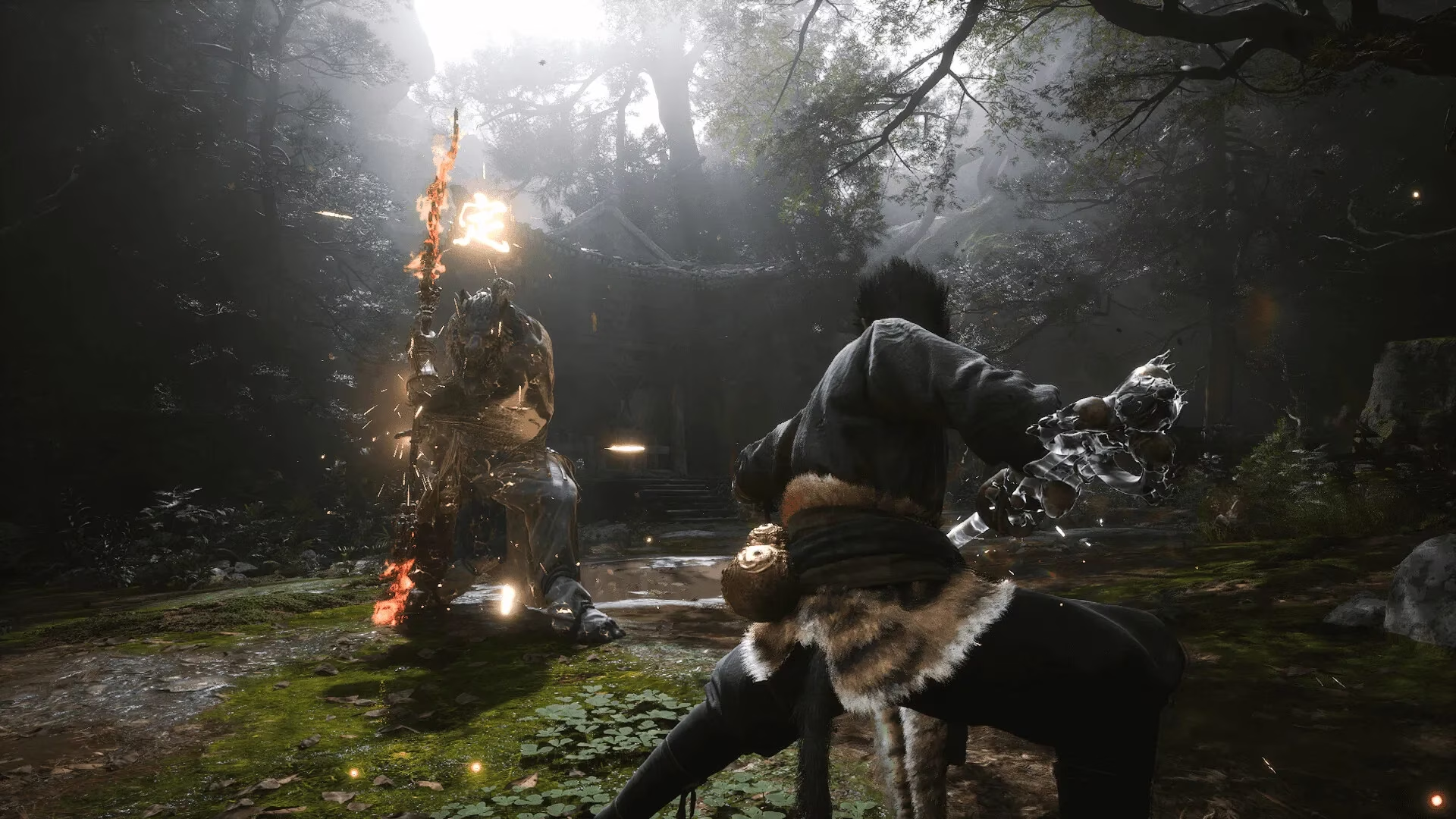
My first pilgrimage was to a land sculpted from ancient myth. Black Myth: Wukong was not merely a game; it was a revelation. Drawing from the 16th-century Chinese epic Journey to the West, it presented a world of wonder that felt as deep and layered as a masterfully carved jade sculpture. Yes, there were moments of frustration that made me grit my teeth—a boss encounter as stubborn as a mountain refusing to erode—but such annoyances would dissolve like morning mist under the sun of its stunningly detailed world. The combat was a kinetic ballet, and the secrets... oh, the secrets. To say the game has secrets is like saying the ocean has droplets; it possesses an entire hidden stratum of existence. My curiosity was rewarded with vistas and challenges that felt like discovering a forgotten chapter of a sacred text. Rushing through would have been a sacrilege, a sure way to miss the poignant truth of its conclusion. This world taught me patience and reverence.
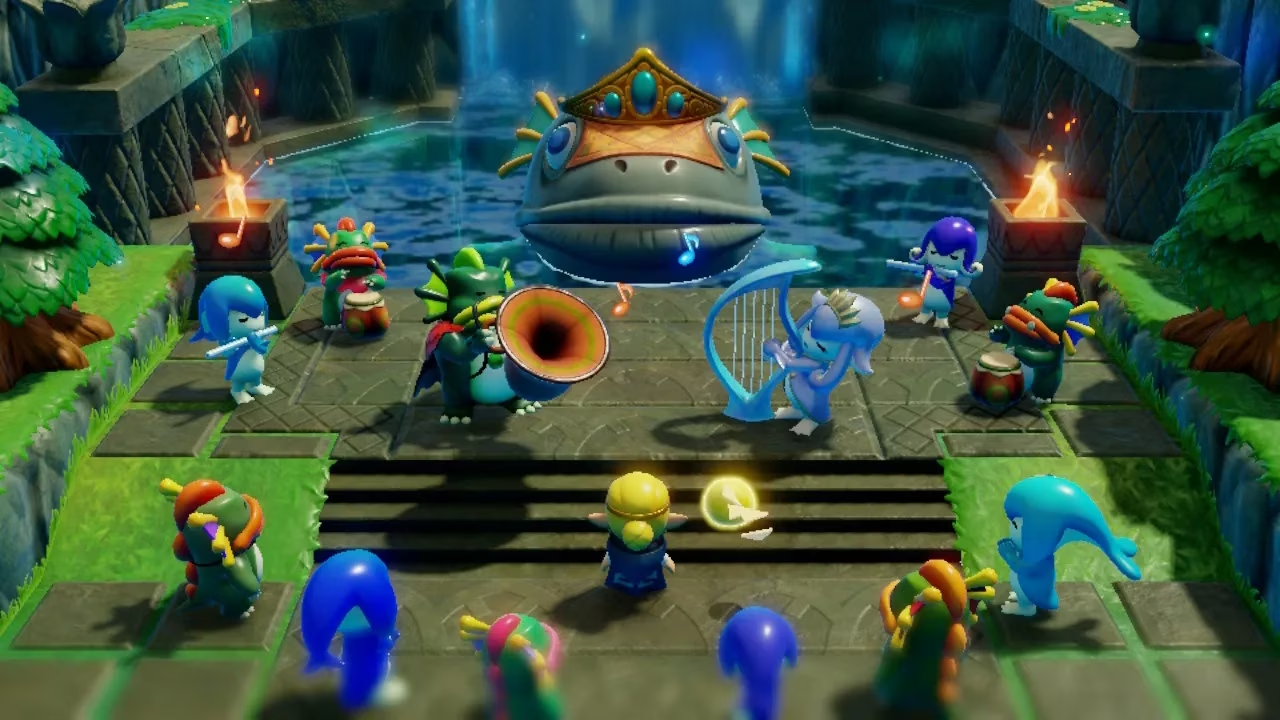
Then, the tune shifted to something lighter, yet no less magical. After decades, The Legend of Zelda: Echoes of Wisdom finally let the princess be the hero of her own tale. The experience was like opening a beloved, familiar storybook to find the words had rearranged themselves into a wonderful new narrative. While it hummed with the charming vibe of Link's Awakening, it was no simple retelling. Here, Zelda's power was one of creation and cleverness, conjuring echoes of enemies and objects to solve puzzles and fight. This new mechanic transformed the world into a grand, interactive orchestra where I was the conductor, each summoned item a note in a symphony of problem-solving. Wrapped in a gorgeous orchestral score, my adventure felt like a gentle, joyful dream—a fantasy world that sparkled with innocent wonder.
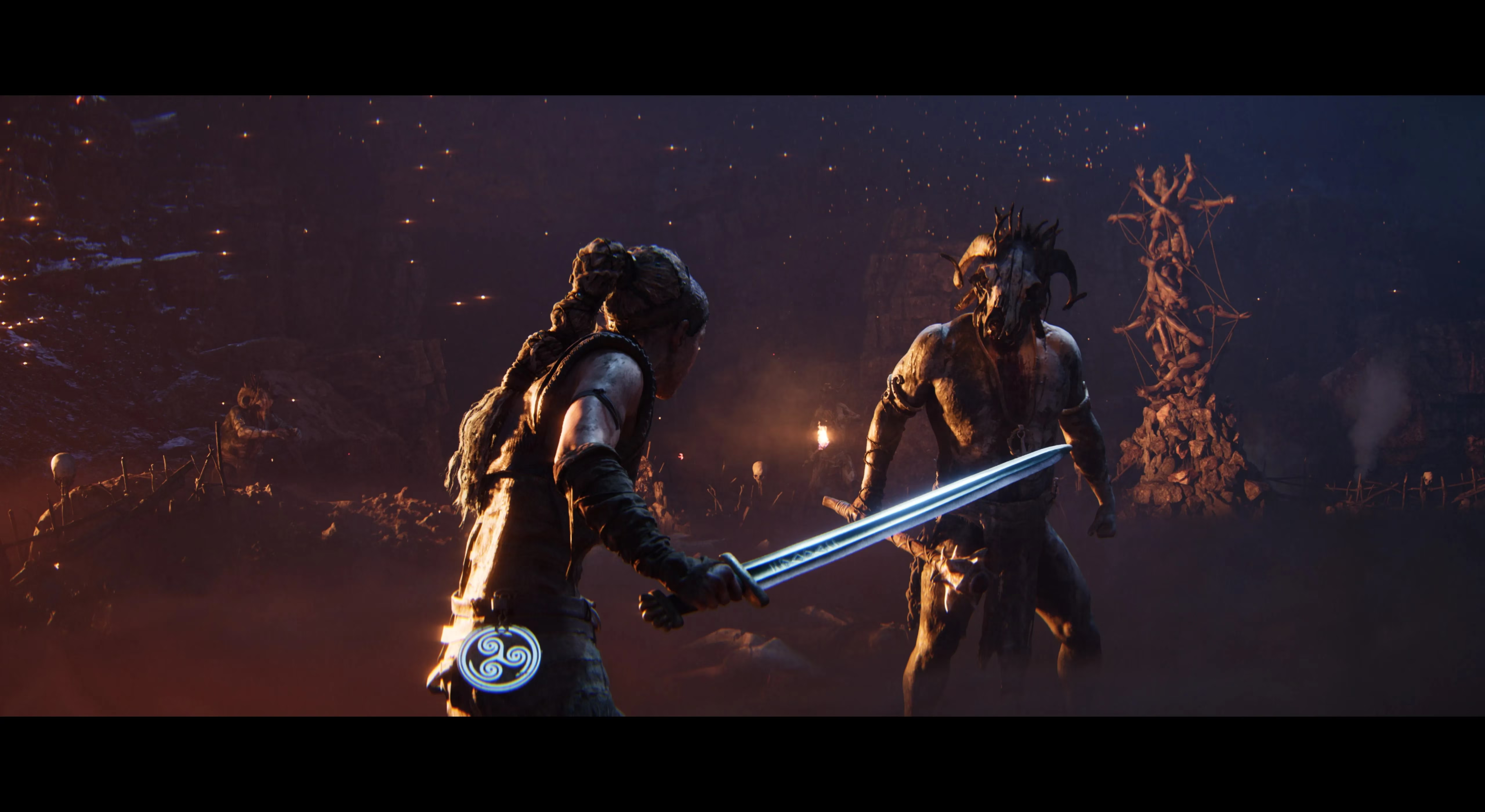
My journey then took a profound and harrowing turn into the depths of the human psyche with Senua's Saga: Hellblade 2. If the previous games were dreams, this was a visceral, waking vision. It took the first game's groundbreaking exploration of mental health and amplified it to a terrifying, beautiful crescendo. The near-photorealistic visuals were a double-edged sword, rendering both breathtaking Icelandic landscapes and stomach-churning violence with equal, unflinching clarity. The disembodied voices that plagued Senua—a cacophony of fears and doubts—were no longer just a sound design feature; they became the very fabric of the world, as tangible and oppressive as the dark soil beneath her feet. The line between reality and psychotic legend blurred until I could no longer tell the difference, making every step forward an act of immense courage. This saga was less a game and more an emotional excavation, haunting and cathartic in equal measure.
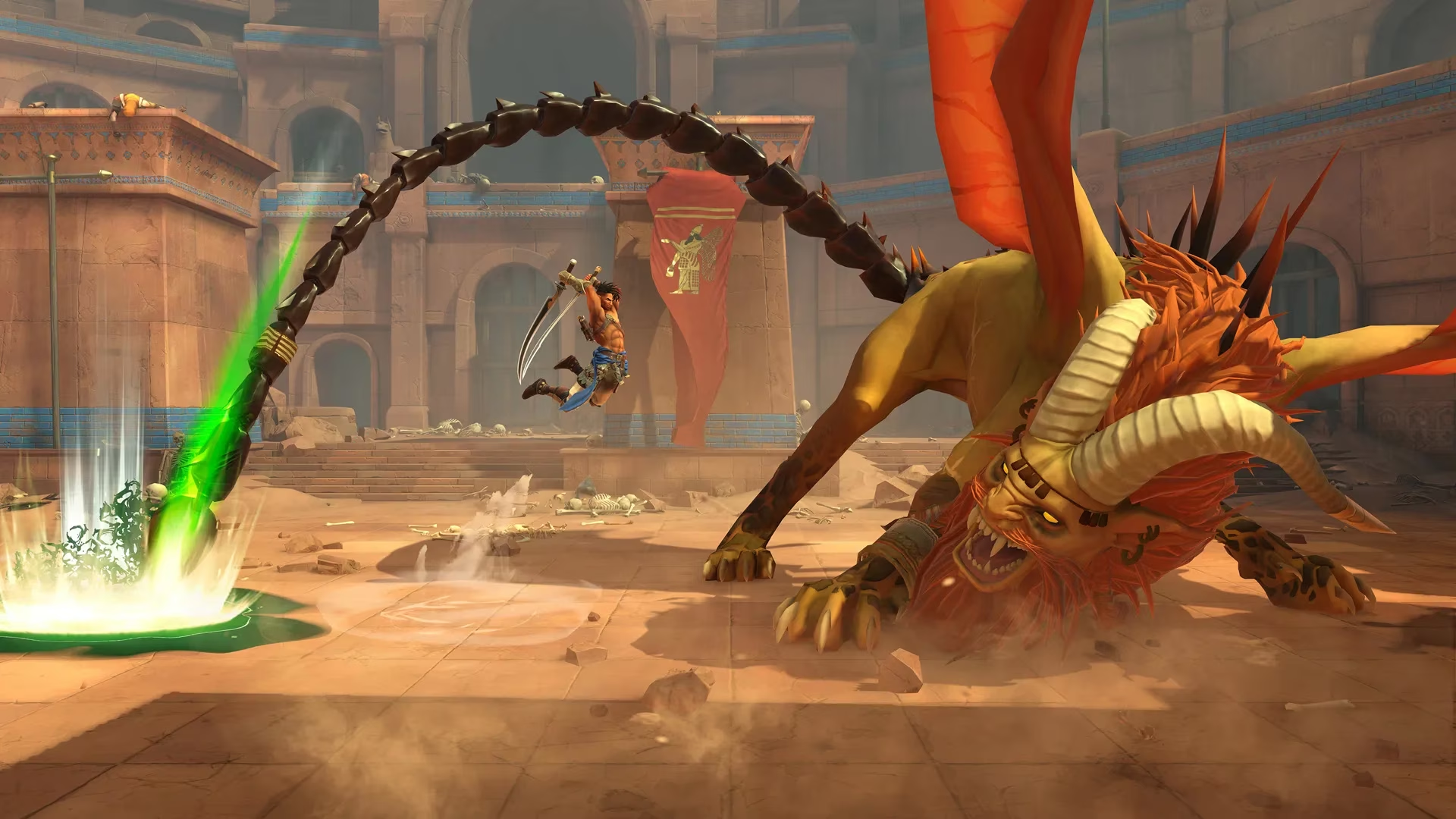
Seeking a different kind of thrill, I found a triumphant return to form. Prince of Persia: The Lost Crown felt like the series had journeyed full circle, returning to its 2D roots not with nostalgia, but with a fierce, modern energy. It was like watching a master swordsman revisit their first kata, only to perform it with a lifetime of refined, deadly skill. This was a metroidvania masterpiece, blending thrilling, acrobatic combat with brilliant, time-bending puzzles. The map unfolded like a complex lock, each new ability a precise key. The boss battles were spectacles of clashing steel and split-second timing, each victory earning a surge of satisfaction as potent as discovering a hidden oasis after crossing a scorching desert. It was a perfect fusion of brain and brawn.
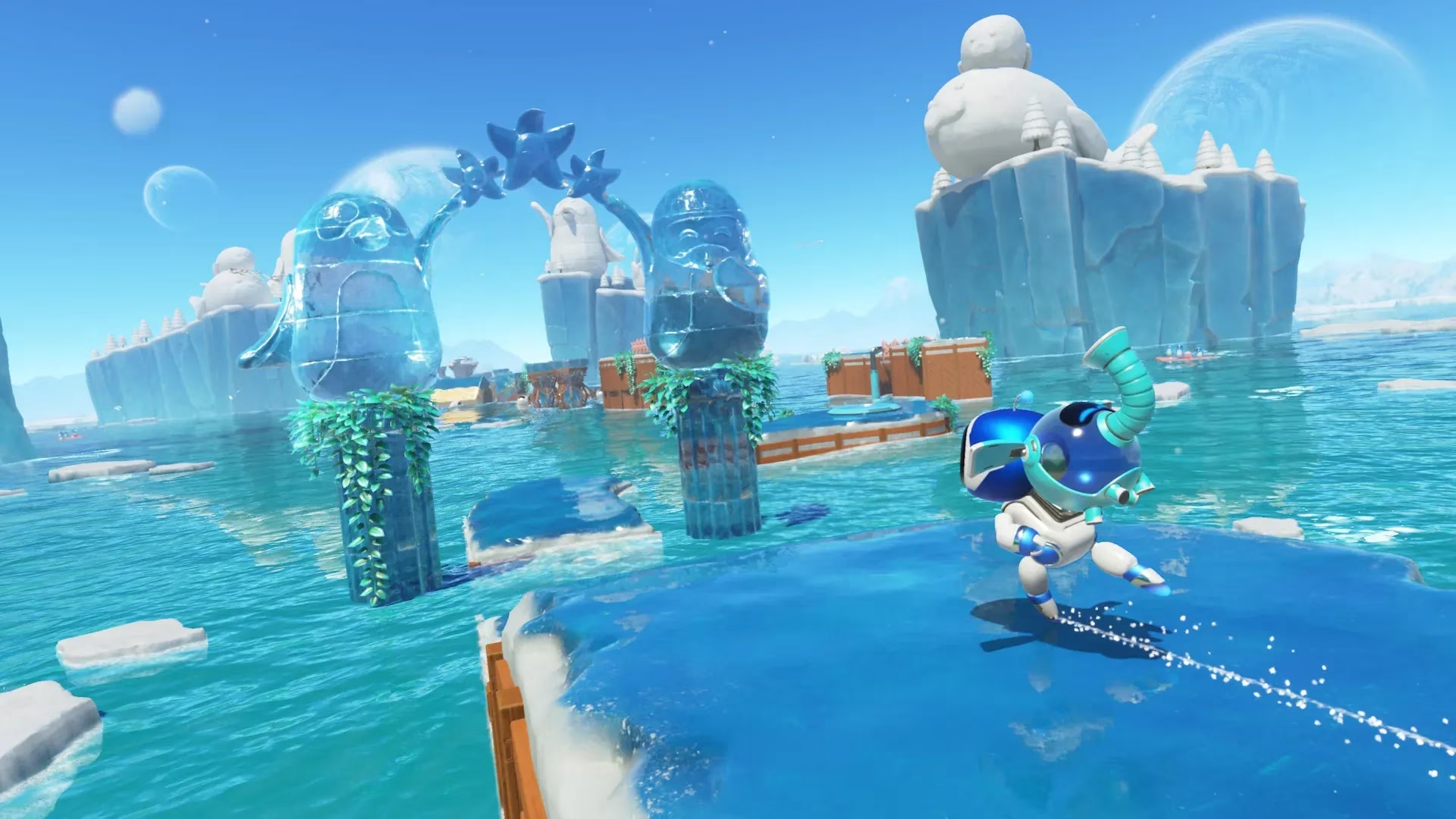
Finally, I needed pure, unadulterated joy. I found it in Astro Bot. This game was a sparkling geyser of creativity, a 3D platformer so inventive and full of love that it felt like playing through a cascade of happy thoughts. Every moment celebrated the sheer fun of play: the bouncy music, the enchanting worlds, the parade of delightful cameos from PlayStation's history that felt like welcoming old friends. It was a masterclass in design variety, each level introducing a new, fantastically implemented gadget or idea. Playing it was an endless series of \u201ceureka!\u201d moments, a constant, smiling reminder of why I fell in love with games in the first place. Astro's adventure was a beacon of optimism, a hope that pure, joyful creativity would always find a way to leap into our hearts.
Looking back from 2026, these five experiences stand as monuments. They were my companions through a year of incredible digital storytelling, each a masterclass in how to blend heart-pounding action with soul-stirring adventure. They taught me that a great game can be a mythic epic, a clever puzzle box, a psychological portrait, a refined dance of blades, or a pure explosion of joy. And in their own unique ways, they all whispered the same timeless truth: the greatest adventure is the one that changes you, long after the controller is set down.