Black Myth: Wukong's one-time purchase FAQ and non-pay-to-win in-game purchases raised DLC and trust questions; its Xbox delay added tension.
In the summer of 2024, a player named Mara saved the pre-order FAQ for Black Myth: Wukong on her phone. She did not save it because she expected a legal dispute. She saved it because the wording felt unusually careful. Game Science, the studio behind the monkey-god action RPG, had written that the game used a classic one-time purchase model, then added that future DLCs and NON-PAY-TO-WIN in-game purchases might appear. The studio even invited readers to screenshot the statement as a guarantee. Two years later, in 2026, that screenshot still tells a story about trust, hype, and the strange space between a single-player epic and live-service temptation.
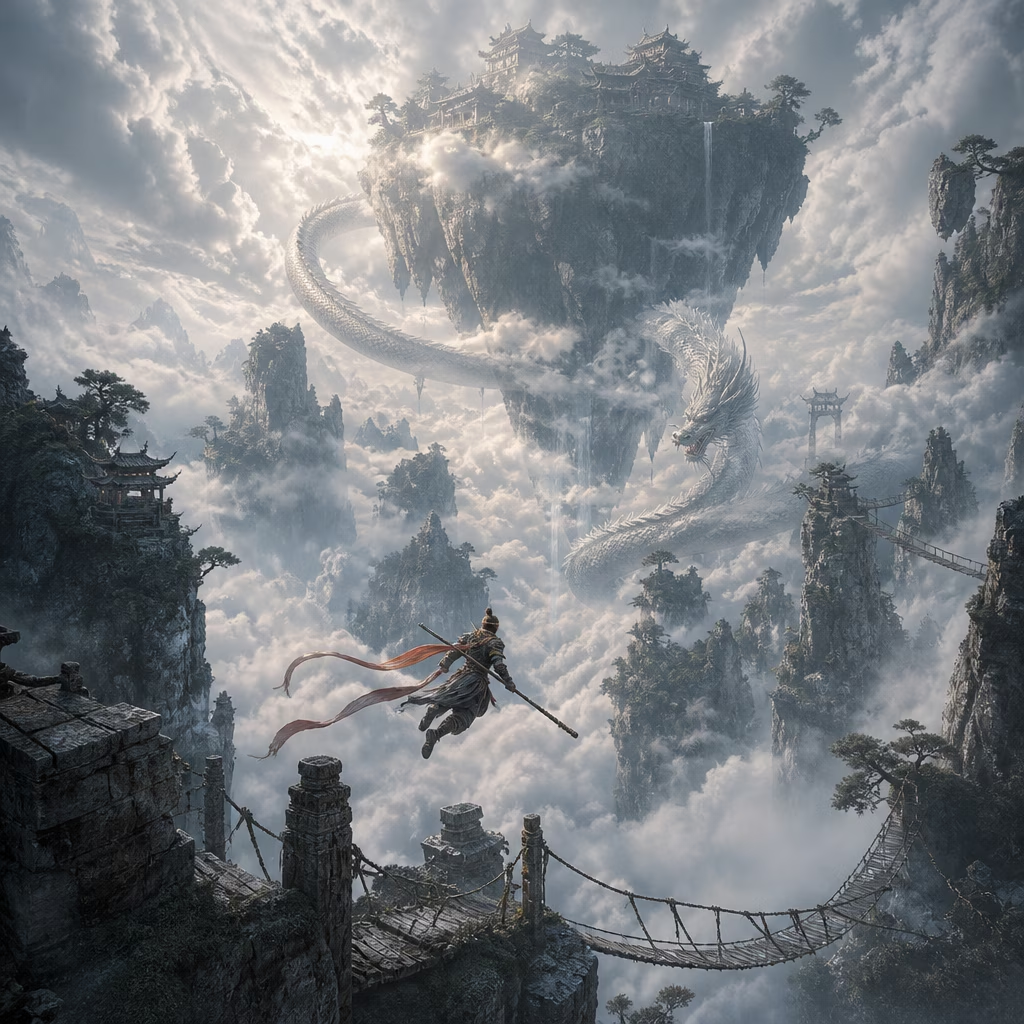
At the time, Black Myth: Wukong was already a phenomenon before release. It was a single-player game, and there had been no serious talk of microtransactions attached to it. That made the FAQ line feel like a preemptive shield. Game Science was not announcing a storefront or a season pass. It was saying that the base game would be bought once, and that any future extra content would be optional, non-pay-to-win, and clearly separated from the core experience. For many players, that was the right kind of language: cautious, conditional, and aware of the community’s allergy to pay-to-win design.
But was it a guarantee, or simply a well-worded escape hatch? That question followed the game into 2026. The studio had encouraged players to take a screenshot, which gave the statement a ceremonial weight. It felt like a handshake. Yet the same sentence contained a door: DLCs might come, and in-game purchases might come too. The promise was not that Black Myth: Wukong would never change. The promise was that it would not become a game where money buys power. That distinction matters. A cosmetic cloak, a decorative staff, or a small expansion does not necessarily betray a single-player adventure. A currency shop that shortens grind or sells victory would.
Mara, like many action-RPG fans, had a simple test in mind. If the full game felt complete, extra content could be dessert rather than a missing meal. If the game launched with a satisfying beginning, middle, and end, then a future DLC announcement would not feel like a ransom note. Would players really object to optional cosmetics in a game they already loved? Probably not, as long as the line between expression and advantage stayed bright. The real danger was not the existence of microtransactions; it was the quiet rewrite of what a one-time purchase had meant.
The FAQ also carried a second story: the Xbox Series X|S version was delayed. Game Science confirmed that PC and PS5 users could enjoy the full game starting August 20, 2024, while the Xbox version was still being optimized to meet the studio’s quality standards. The team apologized and said it would announce a release date once that standard was met. In the heated platform conversations of the time, this was read as both a disappointment and a sign of caution. A delayed version is never pleasant for players who chose that console, but a rushed version can be worse. The episode became a reminder that launch dates are marketing promises, while quality standards are engineering promises, and the two do not always arrive on the same day.
Around the same period, the Collector’s Edition and Deluxe Edition were revealed, feeding the pre-launch excitement with physical and digital extras. The conversation around Black Myth: Wukong was already a mixture of mythology, technical ambition, and collector culture. The FAQ added a quieter theme: the boundaries of monetization. It was a rare moment when a studio tried to define those boundaries before players could demand them.
| Signal from Game Science | What it said | Why players cared |
|---|---|---|
| Base purchase model | One-time payment | No subscription or mandatory season pass at launch |
| Future content | DLCs might be released | Extra story could be welcome if the base game felt complete |
| Future purchases | NON-PAY-TO-WIN in-game purchases might appear | Cosmetics might be fine; power sales would not be |
| Xbox version | Delayed to meet quality standards | Platform parity and launch trust were at stake |
By 2026, the wording remains a conditional clause rather than a public roadmap. That is precisely why it is worth remembering. Game Science did not promise that DLC would arrive; it promised that if such content came, the base purchase would not become pay-to-win. The studio did not promise that Xbox would launch alongside PC and PS5; it promised that the Xbox version would come when it met the same standard. These are small distinctions with large consequences. In an industry that often speaks in absolutes before launch, the FAQ spoke in possibilities.
So what should a player take from Mara’s saved screenshot today? Not a vow that nothing will ever be sold beyond the base game. Rather, it is a benchmark. It asks whether a future addition respects the player’s time, whether a purchase buys expression instead of advantage, and whether a delayed platform version is treated with the same care as the launch platforms. The monkey king may have left the mountain, but the contract around his legend is still being read. And in 2026, that contract is less about what was promised than about what players are willing to accept when the marketplace comes knocking.