Phantom Blade Zero and Black Myth: Wukong signal China's console boom, with bold studios bringing original action RPGs to PS5 and PC.
I have been watching the Chinese game-development scene long enough to remember when the phrase console game from a Chinese studio sounded like a hopeful exception. By 2026, it feels like the exception has become the rule. That is why the conversation around Phantom Blade Zero director Soulframe Liang of S-Game still sticks with me. He looked at Black Myth: Wukong and saw a watershed moment, not just a single hit. And honestly? Good. The Chinese console scene has stopped knocking politely and started kicking the door open.
Liang’s point was simple: Chinese developers are at a turning point. He pointed to Black Myth: Wukong and to HoYoverse’s Genshin Impact as signs that different cultures and different systems are merging. The bridge he described is not a metaphor anymore—it has traffic. Genshin Impact helped prove that a Chinese game could live on mobile, PC, and console at once. Black Myth: Wukong pushed the idea further by aiming squarely at core platforms and a global action-RPG audience. For a player like me, that shift matters because it changes what I expect from the next wave: fewer safe mobile spin-offs, more ambitious original IP, more games that want to be talked about on a big screen with a controller in my hands.
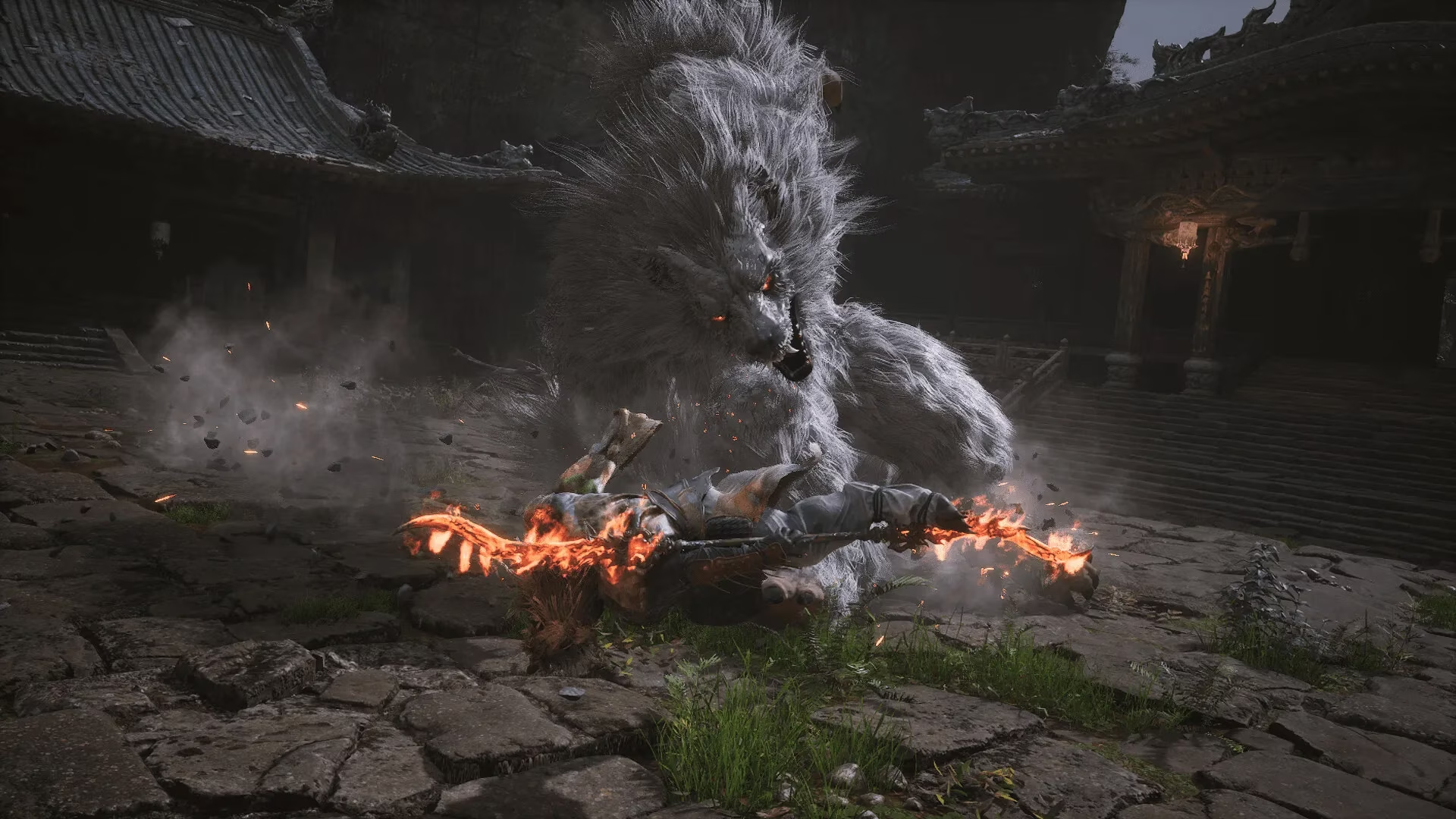
What I find most interesting is how Liang framed the trend inside China. S-Game spent 10 years making free mobile games before betting on Phantom Blade Zero for PS5 and PC. He called the move toward console and PC a good trend, especially when it means building new IP and very original creations. That is the good stuff. Not every studio needs to abandon mobile, and not every mobile game is a lesser thing. But when developers who understand live-service pacing, fast content cycles, and enormous audiences start aiming at premium action games, the results can be weirdly exciting. They bring a different rhythm. They are not trying to copy the same old template. They are trying to merge what they know with what console players want.
Liang also kept returning to Black Myth: Wukong as a harbinger. He expected it to be a big hit and expected more Chinese developers to follow. He knew how good they were even when they were making MMOs and mobile games. I think that is the part outsiders often miss. The talent was never missing. The pipeline, the ambition, and the audience confidence were catching up. By 2026, that prediction has aged well. Black Myth: Wukong launched in August 2024 and became a landmark release for Chinese premium games. It did not just sell; it changed the conversation. Suddenly, the question was no longer whether a Chinese studio could deliver a big console action RPG. The question was who would come next.
And that is where Phantom Blade Zero fits. Liang said the game benefits from the success of other Chinese action epics rather than competing with them directly. I like that framing. A rising tide does not have to drown everyone. The more Chinese action games succeed on core platforms, the bigger the potential audience becomes for all of them. They are part of the same wave. Black Myth: Wukong was the match; the rest of the wave is the fire.
Before Wukong launched, the signals were already loud. It was the most-wishlisted game on Steam after Hades 2’s surprise launch in May, and early impressions were uniformly positive. Hands-on sessions in August and later in June left writers impressed. One called the demo amazing and praised its approachability. Another said it was among the best and best-looking action RPGs in years, noting skill trees, color-coded gear rarities, one main weapon, and more linear level design that made it distinct from the Soulslike genre it seemed to adopt on the surface. That combination mattered. It was familiar enough to invite action-RPG fans in, but specific enough to have its own identity.
| Signal | Why it mattered |
|---|---|
| Genshin Impact on mobile, PC, and console | Showed Chinese games could cross platforms and cultures |
| Black Myth: Wukong’s wishlist momentum | Proved global appetite before launch |
| Positive hands-on impressions | Suggested the hype had substance |
| S-Game’s shift after 10 years of mobile | Demonstrated a broader studio-level pivot |
| More Chinese developers entering premium action RPGs | Turned a moment into a wave |
Not gonna lie, that tracks. The old assumption that Chinese developers would stay in mobile forever was always more about market incentives than ability. When the incentives change, the games change. Liang saw that before many of us did. He did not describe Black Myth: Wukong as a lone miracle. He described it as the beginning of more Chinese developers coming in, more original IP, more console and PC focus. In 2026, that reads less like a prediction and more like a status report.
I still want the games themselves to do the talking. Hype is cheap. A good trailer can make anyone believe. But the direction is clear, and the bridge is crowded. Chinese developers are no longer asking for a seat at the table. They are building their own table, and Phantom Blade Zero is one of the chairs I am watching most closely.