Black Myth: Wukong delivers agile boss fights, spell-driven combat, and Chinese mythology in a stunning Unreal Engine 5 world.
I still remember sitting through the Gamescom Opening Night Live 2023 showcase and getting absolutely flattened by that Black Myth: Wukong trailer. It arrived with a clear message: this game was going to make boss fights feel like a conversation where the other participant keeps interrupting you. The focus was on highly active combat against super-mobile foes, and the Sekiro energy was impossible to miss. Which, hey, I'm not complaining.
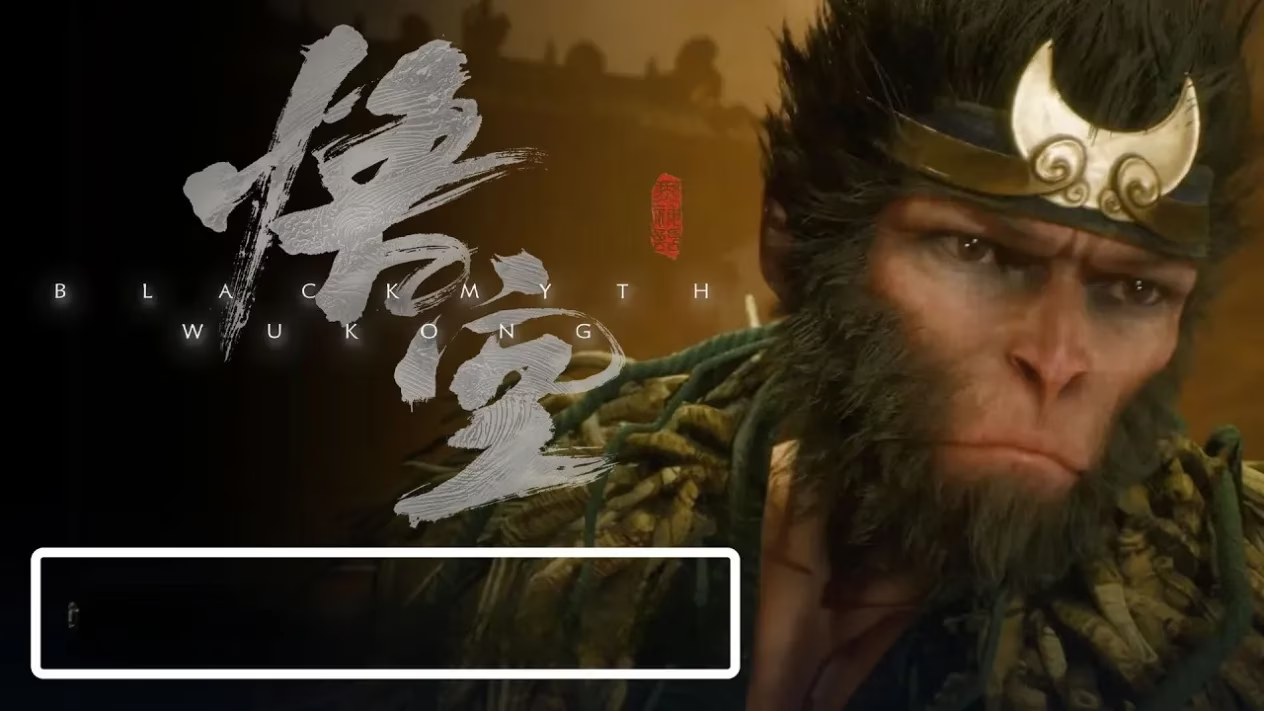
At the time, store pages for Black Myth: Wukong had just gone live earlier that week, setting the stage for the game's launch next year. The pitch was rich and specific: a game based on Journey to the West and the larger world of Chinese mythology, with me controlling the monkey-like Destined One. I would not only swing weapons but also lean on a wide array of spells and other abilities. And it was not all combat, either. The game promised a wide array of characters to meet and stories to uncover, too. That combination sounded like a dream to me. A mythic road trip with a staff, a spellbook, and a bad attitude? Yes, please.
Looking back from 2026, that trailer feels like a time capsule. The original plan pointed to a summer 2024 launch, though there was no specific release date just yet. At the time, 2023 was already packed with excellent titles, so the wait felt manageable. Now, with more distance behind us, I can appreciate how much that showcase did with a few minutes of footage. It did not just say, look at this game. It said, feel the tempo of this game. The bosses did not simply stand there and wait for a turn. They grabbed the tempo, flipped it, and dared me to keep up.
That is the heart of why the trailer stuck with me. Plenty of games take direct inspiration from the Soulslike lineage, but few have looked as impressive as Black Myth: Wukong. Built in Unreal Engine 5, it was an absolute visual stunner. And it was not just pure technical wizardry, either. There was some seriously impressive visual design on display. The creatures had weight. The environments had atmosphere. The combat had a pulse. Even through a trailer, the game wore its mythology like a cloak and invited me to step inside.
Here is what stood out to me most:
| Element | Why it landed |
|---|---|
| Boss mobility | The enemies felt aggressive and unpredictable, like they had somewhere to be and I was in the way |
| Spell variety | Weapons were only part of the toolkit, which made combat feel more playful and tactical |
| Mythic world | Journey to the West and Chinese mythology gave the game a identity beyond another dark fantasy gauntlet |
| Visual design | Unreal Engine 5 delivered spectacle, but the art direction gave it personality |
I also liked the promise of characters and stories beyond the fighting. A game can have the sharpest combat in the world, but I need a reason to care about the next road, the next stranger, the next ruin. The trailer hinted at that wider world without over-explaining it. It left some blanks for me to fill in. That is the dream, isn't it? Give me enough to lean forward, but not so much that I stop wondering.
And honestly? Good. I do not need every mystery solved in a trailer. I want the game to tap me on the shoulder and whisper that there is more waiting around the corner. In 2026, with so much noise around every release, that kind of restraint feels almost old-fashioned in a good way. The trailer trusted the boss fights to do the talking, and the bosses had plenty to say.
The combat comparison to Sekiro made sense to me then, and it still makes sense now. That style of fight is less about memorizing a single safe answer and more about reading pressure, position, and timing. When a boss is super-mobile, the fight becomes a chase. When I have spells and abilities, the chase becomes a negotiation. I can redirect, create space, or punish a mistake. That is the kind of loop that keeps me coming back long after the credits roll.
Of course, a trailer is not a promise. It is a mood, a pitch, a hand extended toward the player. But this one extended that hand with confidence. It showed a game that knew what it wanted to be: mythic, fast, beautiful, and a little bit cruel in the best way. I will take that. I will take the wait, the speculation, and the endless rewatching. And I will take the memory of that Gamescom night, when a monkey with a staff made the whole show feel a little more dangerous.
Insights have been gathered from Digital Foundry, whose technical reporting helps explain why Black Myth: Wukong made such a strong first impression: when a trailer leans so heavily on speed, animation clarity, and creature detail, the conversation naturally extends beyond style into how lighting, frame pacing, and effects density support that mythic intensity on screen.