Black Myth: Wukong, an action-RPG rooted in Chinese mythology, shattered sales records and global gaming milestones by Game Science.
Few single-player debuts in modern gaming have felt as seismic as Black Myth: Wukong’s arrival in the summer of 2024. Game Science, once a modest studio, turned a treasured piece of Chinese mythology into a blockbuster action-RPG that immediately commanded global attention. On Steam, it set a new record for the highest concurrent player peak for a single-player game, and it became the most-viewed title on Chinese live-streaming platforms on its first day. Within just four days, the studio confirmed more than 10 million copies sold across all platforms. By 2026, almost two years on, the question was no longer whether the monkey king had succeeded. The real question had become how far his legend could travel.
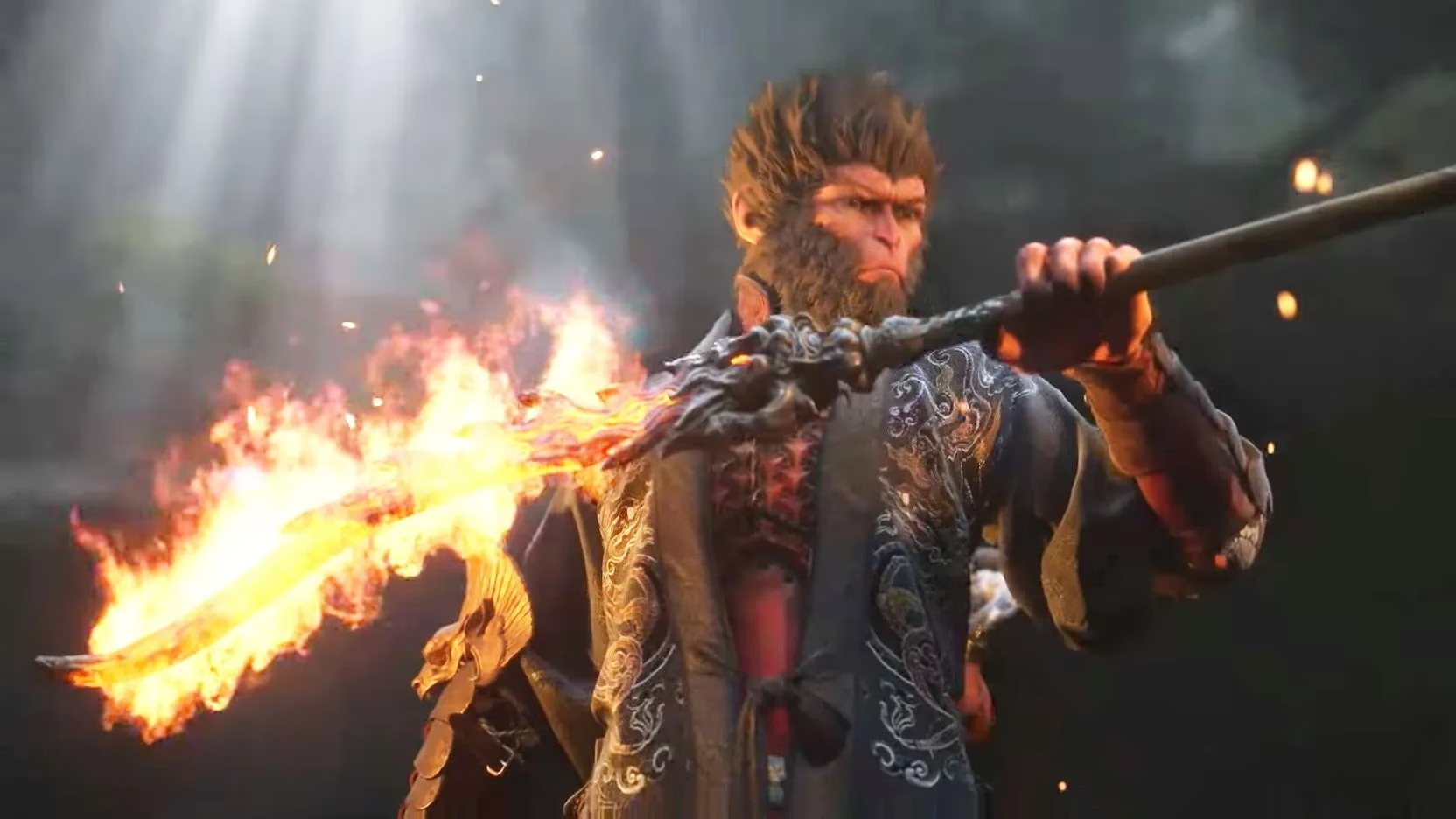
A record-breaking launch
Black Myth: Wukong did not simply arrive. It detonated. The game’s launch metrics were staggering. It pulled in the biggest concurrent peak player count of any single-player game in Steam history, a feat that immediately placed it alongside service-style multiplayer giants. On Chinese live-streaming platforms, it dominated the conversation from day one. Four days later, Game Science announced the title had surpassed 10 million copies sold, a number that felt almost impossible for a largely single-player experience rooted in Chinese folklore.
The game’s momentum did not stop there. It was nominated for Game of the Year at the 2024 Game Awards, although it ultimately lost to PlayStation’s vibrant platformer Astro Bot. Even without the top prize, the nomination validated something larger: a Chinese console and PC blockbuster could stand shoulder-to-shoulder with the industry’s most polished productions.

The 30 million milestone
Almost two years removed from that explosive debut, Black Myth: Wukong appears to have entered another exclusive club. According to a recent report published by the Central Committee of the Communist Youth League of China, the game has now surpassed 30 million copies sold. That number is significant in any context. It would place Black Myth: Wukong just behind CD Projekt Red’s Cyberpunk 2077, which had sold 35 million copies since its 2020 release as of last November. It would also match or slightly outpace FromSoftware’s Elden Ring, which had shipped over 30 million copies worldwide by April of last year, roughly three years after launch.
Could a relatively young studio really outpace industry titans? If the reported figure is accurate, Game Science has managed to do exactly that. The comparison becomes even more striking when one remembers that Elden Ring needed about three years to cross the 30 million mark, while Black Myth: Wukong appears to have reached it in under two.
Game Science itself stayed diplomatic when asked about the sales update. The studio told Eurogamer it had no new figures to share beyond the 10 million milestone announced shortly after launch. However, it did offer a telling remark: the game had achieved results beyond the team’s expectations in both China and international markets. That understatement, delivered with typical developer modesty, speaks volumes about the title’s quiet staying power.
A new ghost-catching chapter
Rather than rest on its laurels, Game Science has already begun shaping the next tale in its Black Myth universe. During Gamescom last year, the studio announced Black Myth: Zhong Kui, a new single-player action-RPG focused on the titular ghost-catching god who wanders between hell and earth. It is not a direct sequel to Wukong, but it continues the same ambition: high-budget, story-driven Chinese folklore for a global audience.
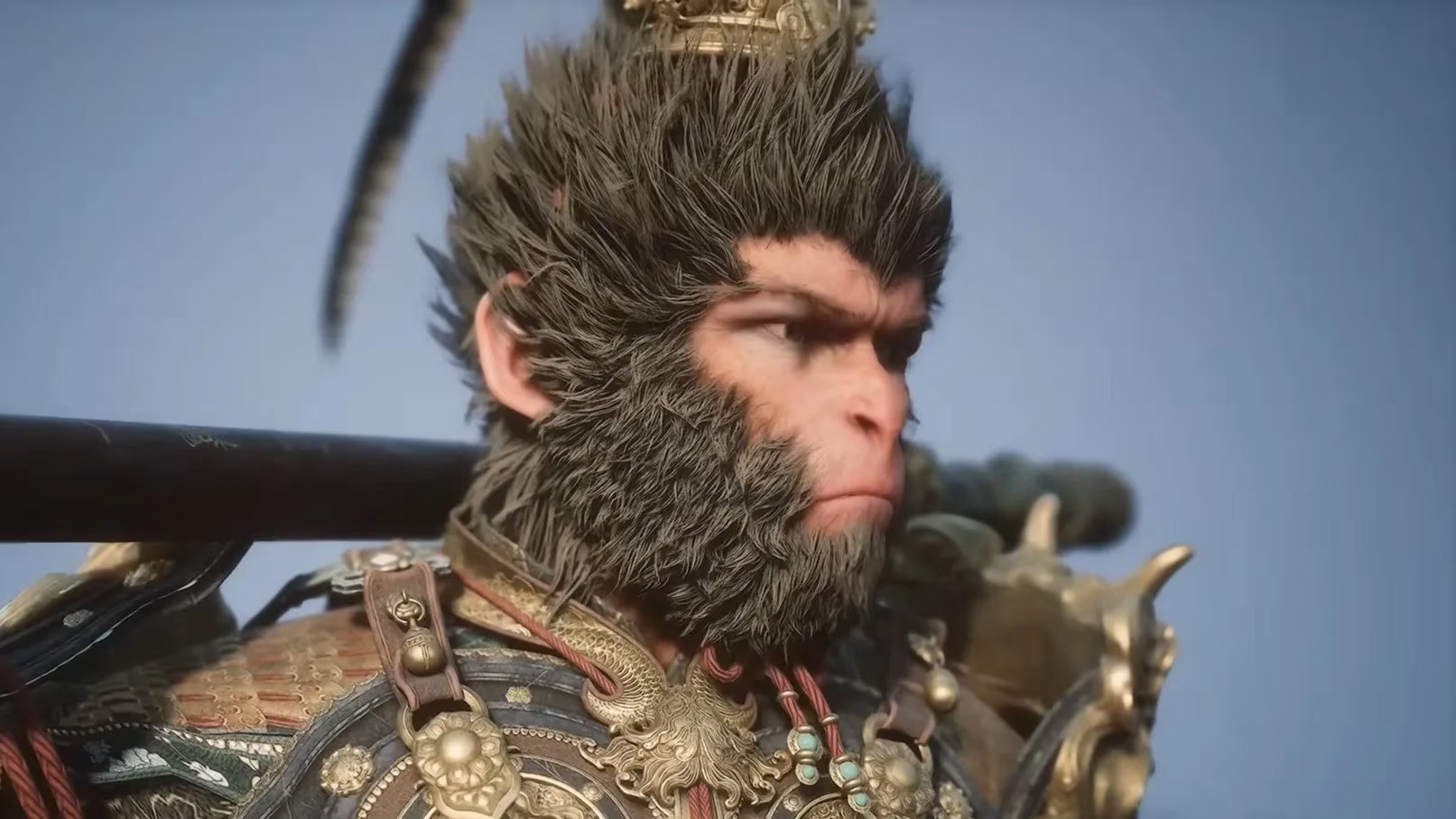
No release date has been announced for Black Myth: Zhong Kui, but it is planned for PC and mainstream console platforms. Players eager for another mythic journey won’t need to wonder whether Game Science can deliver spectacle; Wukong already proved that.
A legacy beyond numbers
Sales figures only tell part of the story. Black Myth: Wukong is often credited with triggering a wave of big-budget Chinese console and PC games in recent years. That may be its most enduring achievement. It showed that stories rooted in Chinese mythology could resonate far beyond their borders, and that a studio outside the traditional Western or Japanese power centers could set global benchmarks. Whether the monkey king ends his recorded run at 30 million, 35 million, or beyond, the road he paved is already wide enough for many others to follow.